
It’s a myth that keeps popping up in headlines and late-night debates: that prostitution in France has turned into some kind of national pastime, a ‘popular sport.’ The idea sounds catchy, even shocking - but it’s not true. No one trains for it. No one wins medals. No one cheers from the stands. Yet the language used to describe sex work in France often makes it sound like a competition, a trend, or a spectator event. That’s not just misleading - it’s dangerous. It erases the real people behind the labels and turns survival into spectacle.
Some websites try to ride this wave with slick branding, like escort paria, offering services under names that sound like fashion labels or influencer handles. These platforms don’t just market sex work - they package it. They use terms like ‘escort pris’ and ‘escort gril paris’ as if they’re selling concert tickets or gym memberships. But behind those words are real lives: people working under legal gray zones, facing stigma, and often risking their safety just to pay rent.
How France’s Laws Actually Work
France doesn’t criminalize selling sex. That’s important. Since 2016, buying sex has been illegal - not selling it. The law was passed to protect people in prostitution by targeting demand, not punishment. If you pay for sex in France, you can be fined up to €1,500. If you’re selling, you won’t go to jail. But you also won’t get housing help, healthcare access, or legal protection unless you actively seek it out.
This law sounds progressive on paper. In practice, it’s messy. Police don’t target buyers often. Many sex workers still get harassed by law enforcement under vague public order charges. And without safe spaces or support networks, people end up working alone, in cars, or in isolated areas - making them more vulnerable.
The Language Problem: From ‘Escort’ to ‘Sport’
Words matter. Calling someone an ‘escort’ instead of a sex worker might feel softer, but it still reduces a person to a service. When media or ads describe prostitution as a ‘popular sport,’ they’re not just being careless - they’re normalizing exploitation. It suggests that anyone can join, that it’s fun, that it’s just another gig.
But it’s not. Most people in sex work didn’t choose it because it looked glamorous. They chose it because they had no other options. A 2023 study by the French National Institute of Statistics found that 68% of people in prostitution had experienced homelessness before entering the industry. Nearly half were under 25 when they started. And less than 15% reported feeling safe while working.
When you see ‘escort pris’ online - a term that literally means ‘paid escort’ - it’s not a job listing. It’s a symptom of a system that lets people slip through the cracks.
Paris Isn’t a Playground - It’s a City With Real Problems
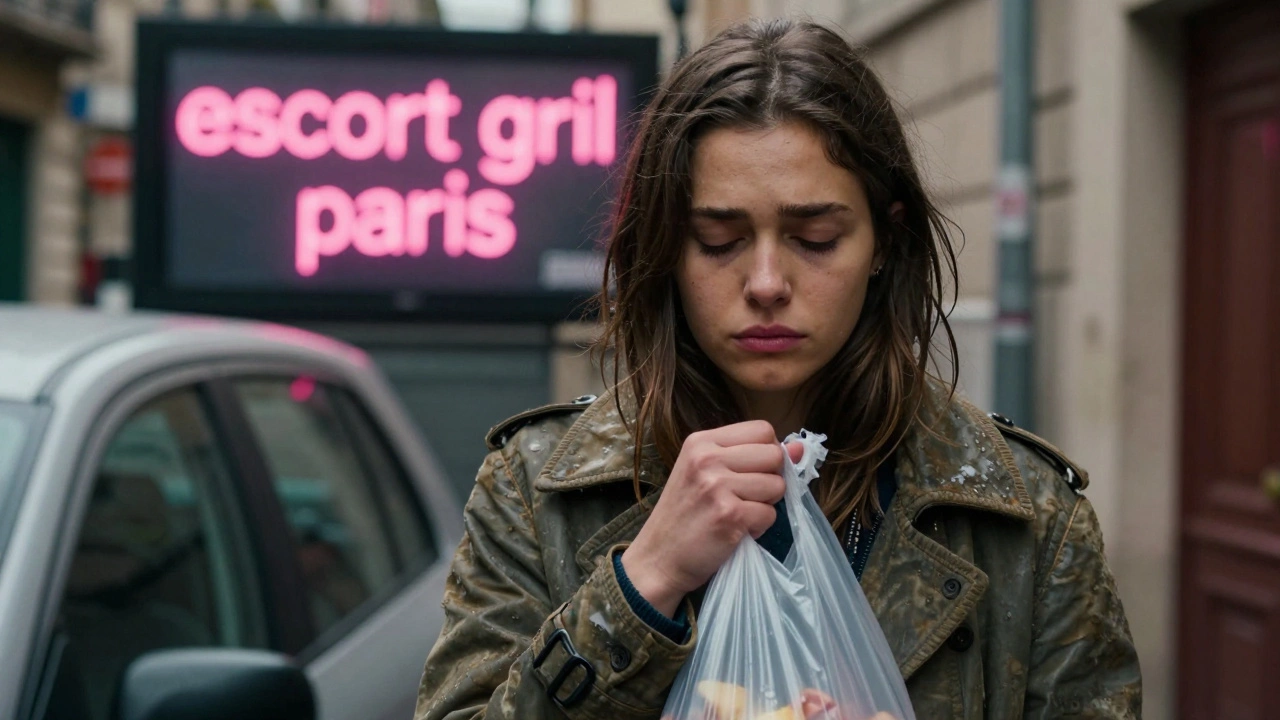
Paris gets painted as the epicenter of this so-called trend. ‘Escort gril paris’ is often used in ads to lure tourists, implying that finding companionship here is easy, safe, and casual. But walk through Montmartre or near Gare du Nord after dark, and you’ll see something different. You’ll see women huddled under bridges, men waiting in cars, and police moving people along - not because they’re breaking the law, but because the law doesn’t protect them.
There’s no official count of how many people are working in sex work in Paris. But NGOs estimate between 3,000 and 5,000 people are active in the city at any time. Many are migrants, some are survivors of trafficking, and others are young people who dropped out of school or fled abusive homes. They’re not athletes. They’re not influencers. They’re people trying to survive.
What’s Really Being Sold?
The industry thrives on fantasy. Ads promise discretion, luxury, and companionship. But the reality is often isolation, exhaustion, and fear. A 2024 survey by the French Association for the Rights of Sex Workers found that 71% of respondents had been threatened by clients. 42% said they’d been physically assaulted. Only 11% reported any of it to police - because they didn’t trust them.
Meanwhile, websites keep using terms like ‘escort pris’ and ‘escort gril paris’ to make it sound like a service you order like coffee. But you don’t order a person. You don’t schedule a human being like a haircut. When you treat people like products, you stop seeing their pain.

Where the Real Support Is
There are organizations in France working to change this. Groups like L’Association des Femmes Prostituées de France (AFPF) and Le Projet de Paris offer housing, legal aid, and exit programs. Some cities have started pilot programs to connect sex workers with social workers instead of cops. But funding is thin. Public awareness is worse.
The solution isn’t more ads. It’s not better branding. It’s not more ‘escorts’ being marketed like fashion models. It’s policy that sees people as people. It’s access to housing, healthcare, and education. It’s legal protection for those who want to leave - and respect for those who choose to stay.
Why This Myth Won’t Die
People love stories that simplify complexity. The idea of prostitution as a ‘sport’ makes it feel controllable, predictable, even fun. It lets tourists think they’re just joining a local experience. It lets politicians claim they’re ‘solving’ the issue by fining buyers. It lets companies profit from selling fantasies.
But real change doesn’t come from catchy phrases or viral trends. It comes from listening to the people on the ground. From funding shelters. From training police to protect, not arrest. From letting sex workers speak for themselves instead of letting marketers speak over them.
The next time you hear someone say prostitution is a ‘popular sport’ in France, ask: whose sport is it? Who’s playing? And who’s paying the real price?